A commercial roof is more than just a structural component—it is a critical asset that protects your building, employees, equipment, and daily operations. Whether you own a retail facility, warehouse, office complex, or industrial property, the condition of your roof directly affects safety, energy efficiency, and long-term maintenance costs. Over time, exposure to harsh weather, aging materials, and mechanical stress can cause deterioration that requires professional repair. Understanding commercial roof repair helps property owners and facility managers respond quickly to issues before they become costly emergencies.
Commercial roofing systems are typically more complex than residential roofs. They often include flat or low-slope designs, specialized membranes, insulation layers, drainage systems, and rooftop equipment such as HVAC units. Because of this complexity, even minor damage can lead to hidden moisture intrusion, structural problems, or energy loss if not addressed promptly. Regular inspections and timely repairs are essential to maintaining performance and extending the life of the roof.
Understanding Commercial Roofing Systems
There are several types of commercial roofing materials commonly used across industries. Each system has its own advantages and repair considerations. Single-ply membranes like TPO and EPDM are popular because they are lightweight, flexible, and energy efficient. Modified bitumen and built-up roofing systems provide multi-layer protection and durability, while metal roofs offer long service life and resistance to extreme weather conditions. Regardless of the material, all commercial roofs require maintenance and occasional repair to remain effective.
Flat and low-slope roofs, which are common in commercial properties, are particularly vulnerable to drainage problems. Water can accumulate if drains become clogged or if the roof structure develops low spots. Standing water increases the risk of leaks, membrane deterioration, and structural stress. Over time, even small amounts of trapped moisture can damage insulation and interior building components.
Signs Your Commercial Roof Needs Repair
Recognizing early warning signs is one of the most important steps in preventing serious damage. Property owners should schedule inspections if they notice any unusual changes or performance issues.
Common indicators include:
- Water stains on ceilings or interior walls
- Ponding or standing water on the roof surface
- Cracks, tears, or punctures in roofing membranes
- Loose or damaged flashing around vents and equipment
- Mold, mildew, or musty odors inside the building
- Higher energy bills caused by insulation damage
- Bubbling, blistering, or separation in roofing materials
- Sagging areas or structural irregularities
Addressing these problems early can prevent more extensive repairs or premature roof replacement.
Common Causes of Commercial Roof Damage
Commercial roofs endure constant environmental exposure. Temperature fluctuations cause materials to expand and contract, which can weaken seams and seals. UV radiation from sunlight gradually breaks down roofing membranes, while heavy rain and storms can accelerate deterioration. Wind can lift edges, loosen flashing, or blow debris onto the roof surface, causing punctures.
Human activity also contributes to roof damage. Maintenance crews servicing HVAC systems or installing equipment may unintentionally create stress points or punctures. Improper installation during the original construction can also lead to premature failure. Additionally, aging materials naturally lose flexibility and strength over time, making them more susceptible to leaks and structural issues.
The Commercial Roof Repair Process
Professional roof repair typically begins with a comprehensive inspection. Contractors evaluate the visible condition of the roof and may use advanced diagnostic tools such as moisture scans or infrared imaging to detect hidden water damage beneath the surface. This step is crucial because leaks often originate far from where water becomes visible inside the building.
Once the problem is identified, the contractor determines the best repair approach. Repairs may involve sealing seams, replacing damaged membrane sections, reinforcing flashing, repairing drainage systems, or addressing structural components. After completing the repair, a final inspection ensures the roof is watertight and functioning properly.
Proper documentation is also important. Detailed reports help property owners track roof condition over time and plan future maintenance budgets more effectively.
Repair vs. Replacement: Making the Right Choice
One of the most common decisions property owners face is whether to repair or replace a commercial roof. Repairs are often the most cost-effective solution when damage is localized and the roof still has significant service life remaining. However, if the roof is nearing the end of its lifespan or experiencing widespread deterioration, replacement may provide better long-term value.
Factors that influence this decision include the age of the roof, frequency of previous repairs, extent of water damage, and energy efficiency performance. A qualified roofing professional can provide recommendations based on inspection findings and cost analysis.
Benefits of Timely Commercial Roof Repair
Investing in timely repairs offers significant advantages beyond simply fixing leaks. A well-maintained roof supports overall building performance and reduces operational risks.
Key benefits include:
- Extending the lifespan of the existing roofing system
- Preventing structural damage and interior deterioration
- Improving energy efficiency and reducing utility costs
- Protecting inventory, equipment, and business operations
- Enhancing property value and curb appeal
- Maintaining compliance with safety and building regulations
- Reducing the likelihood of emergency repairs
Proactive maintenance is almost always less expensive than reactive repairs after major damage occurs.
Preventive Maintenance Strategies
Preventive maintenance plays a major role in minimizing repair costs and maximizing roof longevity. Commercial roofs should be inspected at least twice per year, typically in the spring and fall, as well as after severe weather events. Inspections should focus on drainage systems, flashing, membrane seams, and rooftop penetrations.
Keeping the roof clean is also essential. Leaves, debris, and dirt can block drains and create standing water, which accelerates deterioration. Removing debris regularly and ensuring proper drainage helps prevent many common roofing problems.
Maintenance programs often include minor repairs during inspections. Addressing small cracks or loose seams early prevents them from developing into major leaks. Many property owners find that maintenance contracts with roofing professionals provide peace of mind and predictable budgeting.
Energy Efficiency and Sustainability
As a professional roofing company, we understand that commercial roof repairs play a critical role in improving energy efficiency and protecting your investment. Damaged insulation or membrane gaps allow conditioned air to escape, forcing HVAC systems to work harder and increasing operational costs. Our experienced team carefully identifies these issues and performs high-quality repairs that help reduce energy consumption, lower utility bills, and maintain a comfortable indoor environment. We also offer reflective coatings and insulation upgrades during repairs to further enhance your building’s thermal performance.
Safety Considerations
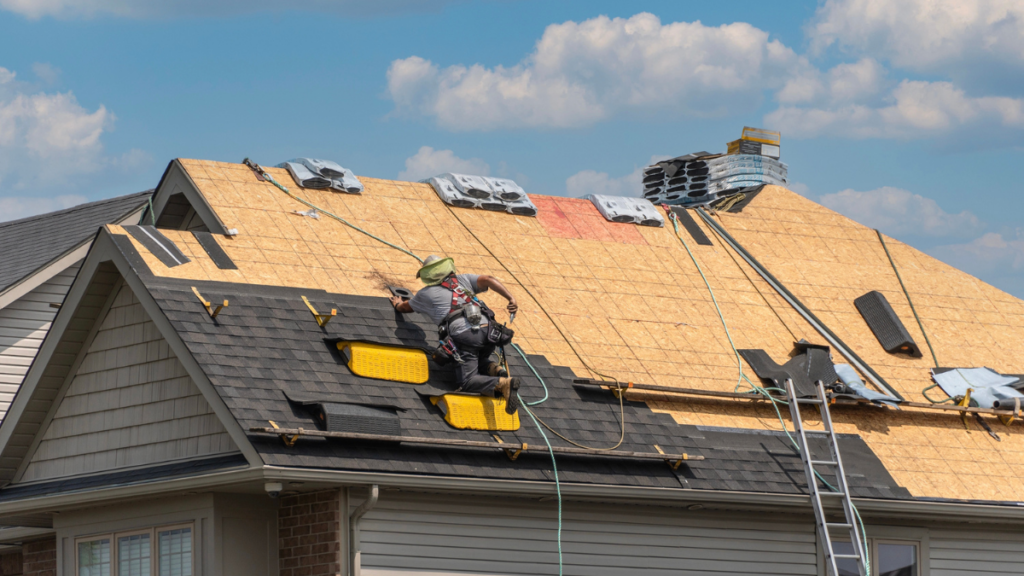
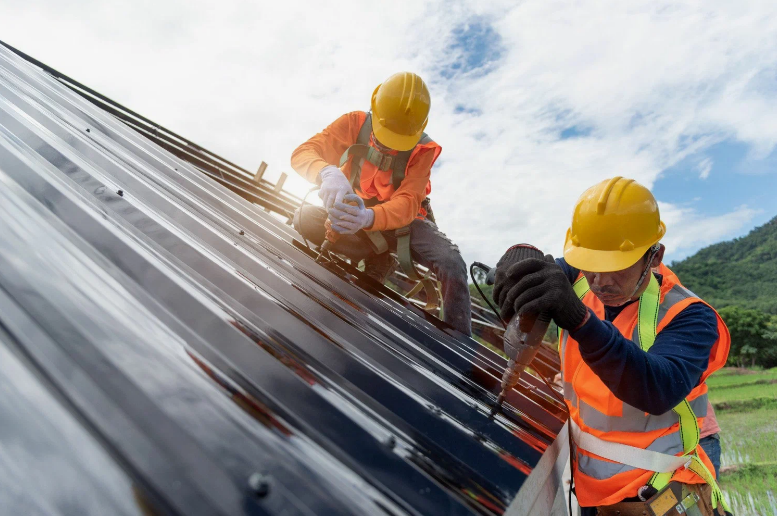
Safety is a critical component of any commercial roofing project. Professional contractors use specialized equipment and follow strict safety standards to prevent accidents. This includes fall protection systems, secure work zones, and proper handling of tools and materials. Attempting DIY repairs on commercial roofs is not recommended due to safety risks and the complexity of roofing systems.
Building occupants should also be protected during repair work. Contractors typically coordinate schedules to minimize disruption and ensure safe access around the work area.
Choosing the Right Roofing Professional
Selecting an experienced commercial roofing contractor is essential for successful repairs. Property owners should look for licensed and insured professionals with a proven track record in commercial projects. References, warranties, and clear communication are strong indicators of reliability.
A reputable contractor will provide a detailed inspection report, transparent cost estimates, and recommendations tailored to the specific roofing system. Long-term partnerships with trusted professionals often lead to better maintenance planning and reduced costs over time.
Conclusion
Commercial roof repair is an essential aspect of property management that directly impacts building safety, efficiency, and financial performance. Ignoring minor roofing issues can lead to significant structural damage, operational disruptions, and expensive replacements. By understanding the signs of damage, investing in timely repairs, and implementing preventive maintenance strategies, property owners can protect their investment and extend the life of their roofing system.
A well-maintained commercial roof not only safeguards the building but also supports business continuity and long-term cost savings. Whether addressing a small leak or performing comprehensive repairs, working with qualified professionals ensures durable results and peace of mind for years to come.