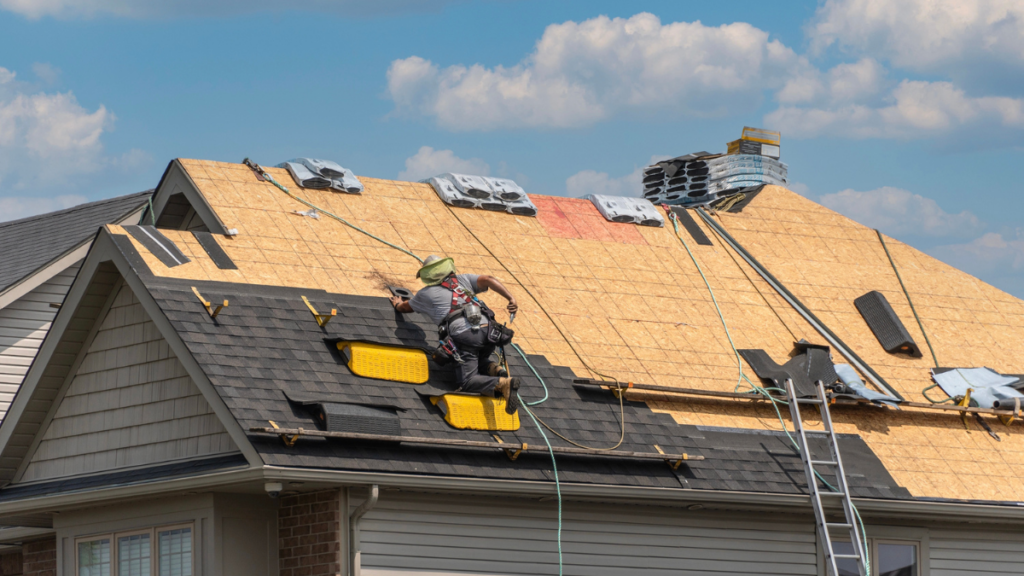
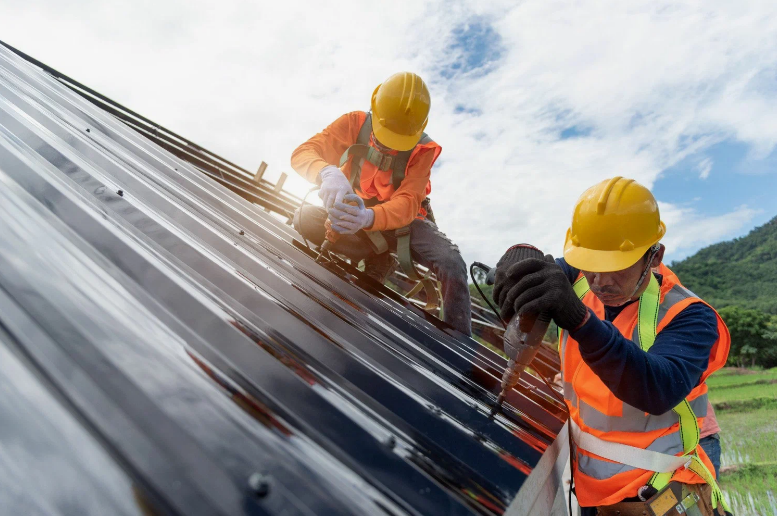
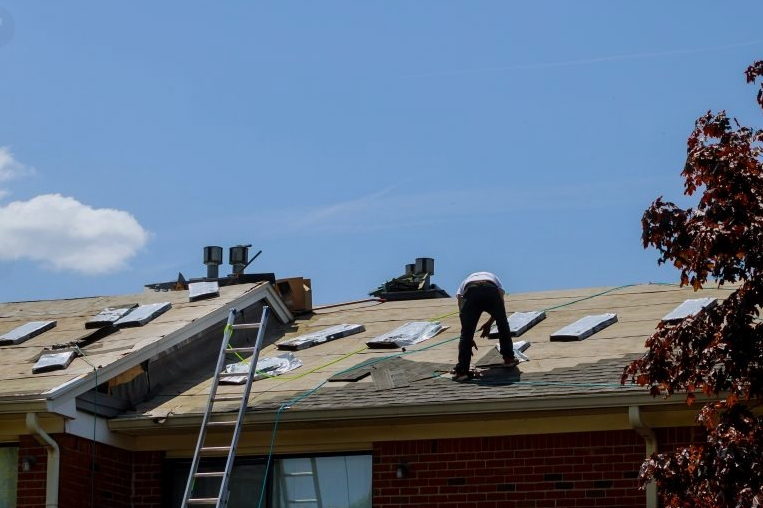
Commercial roof repair is one of the most important maintenance tasks for any business property. A damaged roof can lead to water leaks, mold growth, structural damage, and costly interruptions to daily operations. Whether you own a warehouse, retail store, office building, or industrial facility, keeping your roof in top condition protects your investment and ensures the safety of employees and customers.
Unlike residential roofing, commercial roofing systems are often flat or low-slope and made with specialized materials such as TPO, EPDM, modified bitumen, metal, or built-up roofing (BUR). Each roofing type requires a different repair approach. Working with an experienced contractor ensures the right repair method is used and the roof remains durable for years.
This guide explains the most common commercial roof problems, repair solutions, warning signs, and maintenance tips to help business owners make smarter decisions.
Why Commercial Roof Repair Matters
A commercial roof is exposed to constant weather stress, temperature changes, UV rays, and debris buildup. Over time, these conditions cause cracking, punctures, membrane damage, and water pooling. If these issues are ignored, small problems quickly turn into major structural repairs.
A professional contractor can identify the source of the problem early, fix it correctly, and extend the lifespan of the roof. Commercial roof repair also helps reduce energy loss by sealing leaks and improving insulation performance.
In many cases, timely repairs can prevent a full roof replacement, saving property owners thousands of dollars.
Common Causes of Commercial Roof Damage
Commercial roofs experience wear and tear for many reasons. Understanding the causes can help you take preventative measures.
Weather and Storm Damage
Heavy rain, hail, strong winds, and snow accumulation can weaken roofing materials. Wind can lift roof membranes, while hail can cause dents, cracks, and punctures.
Ponding Water
Flat commercial roofs are especially prone to ponding water. If water remains on the roof for more than 48 hours, it can weaken the membrane and lead to leaks.
Poor Installation
If a roof was installed incorrectly, seams may not be sealed properly and flashing may be loose. This increases the chance of early failure. A skilled contractor can inspect installation issues and correct weak areas.
Foot Traffic
Commercial roofs often have HVAC systems, vents, and equipment that require maintenance access. Regular foot traffic can cause punctures, cracks, and membrane damage if the roof is not protected.
Aging Materials
Even the best roofing materials degrade over time. UV exposure and thermal expansion cause membranes to shrink, crack, and lose flexibility.
Signs Your Commercial Roof Needs Repair
Many business owners don’t notice roofing problems until water starts dripping inside. However, early warning signs can help you schedule repairs before serious damage occurs.
Some common signs include:
- Water stains on ceilings or walls
- Mold or mildew smell inside the building
- Visible cracks or bubbling on roof surface
- Loose flashing around vents and chimneys
- Pooling water on flat roof areas
- Higher energy bills due to poor insulation
- Roof membrane shrinkage or seam separation
- Debris buildup and clogged drainage systems
If you notice any of these issues, contacting a professional contractor quickly is the best decision.
Types of Commercial Roof Repair Services
Commercial roof repair is not a one-size-fits-all service. The repair method depends on the roof type and the extent of the damage.
Leak Detection and Repair
Leaks are the most common commercial roofing problem. The challenge is that the leak source is often far from where water appears inside. Professional roofers use moisture scanning, infrared imaging, and inspection tools to locate the leak.
After locating the source, the contractor will repair damaged seams, flashing, or punctures and ensure the roof is watertight.
Roof Membrane Patching
TPO, EPDM, and PVC roofs are membrane-based systems. When punctures occur, patching is a common repair method. The damaged section is cleaned, primed, and sealed with compatible membrane material.
This type of commercial roof repair is effective when damage is limited to small areas.
Flashing Repair and Replacement
Flashing protects roof edges, drains, skylights, HVAC curbs, and vent penetrations. When flashing loosens or cracks, water easily enters the building.
A skilled contractor will reseal flashing or replace damaged sections to restore waterproof protection.
Roof Coating Restoration
Roof coatings are a popular option for extending roof life. Silicone, acrylic, and polyurethane coatings can be applied over many commercial roof systems to improve waterproofing and reflect UV rays.
Coatings can reduce energy costs by reflecting heat and keeping the building cooler.
Drainage and Gutter Repair
Drainage issues are a major cause of flat roof damage. Blocked drains, clogged scuppers, and damaged gutters can cause water pooling and leaks.
A commercial roofing contractor will clean and repair drainage systems to prevent future water buildup.
Seam Reinforcement
Roof seams are the weakest part of many commercial roofing systems. Over time, seams can separate due to expansion and contraction.
Seam reinforcement involves resealing joints using heat welding, adhesives, or seam tape depending on the roof material.
Commercial Roof Repair vs Roof Replacement
One of the biggest questions business owners ask is whether they should repair the roof or replace it.
Roof repair is usually the best option when:
- Damage is limited to small areas
- Roof is less than 15–20 years old
- Membrane is still in good condition
- Leaks are isolated and not widespread
Roof replacement may be required when:
- Roof has extensive water damage
- Insulation is saturated
- Roof has repeated leak problems
- Roofing material is near the end of its lifespan
- Structural decking is weakened
A professional contractor can provide a detailed inspection report and help determine the most cost-effective solution.
Benefits of Hiring a Professional Commercial Roofing Contractor
Commercial roofing systems are complex, and repairs must meet building codes and manufacturer requirements. Hiring a professional contractor ensures proper workmanship and long-term durability.
Key benefits include:
- Accurate diagnosis of roofing problems
- Correct material selection for repairs
- Safe work practices and insurance protection
- Warranty-backed repair services
- Prevention of future leaks and failures
A reliable contractor also provides maintenance plans to keep your roof performing well year-round.
Preventative Maintenance Tips for Commercial Roofs
Routine maintenance is the best way to reduce repair costs. Most commercial roof failures happen because small problems are ignored.
Here are practical maintenance tips:
Schedule Roof Inspections Twice a Year
Inspect the roof in spring and fall. This helps identify damage caused by storms or temperature changes.
Keep Drains and Gutters Clean
Remove leaves, debris, and dirt buildup regularly. Poor drainage leads to standing water and membrane deterioration.
Address Minor Damage Immediately
Even small cracks or punctures can turn into major leaks. Quick repairs save money and protect the building interior.
Monitor Roof Penetrations
HVAC units, skylights, vents, and pipes are common leak points. Ensure flashing is secure and sealed.
Limit Foot Traffic
Unnecessary foot traffic damages roofing materials. Use walkway pads or designated paths if equipment requires frequent access.
How Much Does Commercial Roof Repair Cost?
Commercial roof repair costs vary depending on several factors, including roof type, extent of damage, building height, and labor requirements.
Small repairs like patching a minor leak are usually affordable. Larger repairs such as replacing flashing, fixing drainage systems, or applying roof coatings cost more but provide long-term protection.
The best way to get accurate pricing is to schedule an inspection with a professional contractor who can provide a detailed estimate.
Choosing the Right Commercial Roof Repair Company
Selecting the right contractor is essential. Not all roofing companies have experience with commercial systems.
When choosing a contractor, look for:
- Commercial roofing specialization
- Licensing and insurance
- Strong customer reviews
- Warranty options on repairs
- Transparent pricing and inspection reports
- Experience with your specific roof material
A trusted contractor will explain repair options clearly and recommend the most cost-effective solution without pushing unnecessary replacements.
Conclusion
Commercial roof repair is a critical investment for business owners who want to protect their property and avoid costly disruptions. From leak repair and membrane patching to flashing replacement and drainage fixes, the right repair approach can extend roof lifespan and improve building efficiency.
The best strategy is to schedule routine inspections, address problems early, and work with a professional contractor who understands commercial roofing systems. With proper maintenance and timely repairs, your roof can remain strong and reliable for decades.
FAQs
1. How often should a commercial roof be inspected?
A commercial roof should be inspected at least twice a year, usually in spring and fall, and after major storms.
2. What is the most common cause of commercial roof leaks?
The most common causes are damaged flashing, seam separation, clogged drains, and punctures caused by debris or foot traffic.
3. Can a commercial roof be repaired without replacing it?
Yes, many commercial roofs can be repaired if the damage is localized and the roofing system is still structurally sound.
4. How long does a commercial roof repair take?
Minor repairs can take a few hours, while larger repairs may take several days depending on weather conditions and roof size.
5. What is ponding water and why is it dangerous?
Ponding water is standing water that remains on a flat roof for more than 48 hours. It weakens roofing materials and increases leak risk.
6. Are roof coatings a good option for commercial roof repair?
Yes, roof coatings can restore waterproofing, reduce UV damage, and extend roof life, especially when the roof is aging but still structurally solid.
7. How do I know if my roof needs repair or replacement?
If damage is widespread, insulation is saturated, or leaks are recurring, replacement may be needed. A contractor inspection is the best way to confirm.
8. What commercial roofing materials are easiest to repair?
EPDM, TPO, and PVC membrane roofs are generally easier to repair because damaged sections can be patched or resealed.
9. Can roof repairs be done during winter?
Yes, but some materials and adhesives may not bond properly in freezing temperatures. A professional contractor can recommend the best repair method for cold weather.
10. How can I extend the life of my commercial roof?
Regular inspections, cleaning drainage systems, limiting foot traffic, and fixing small problems quickly are the best ways to extend roof lifespan.