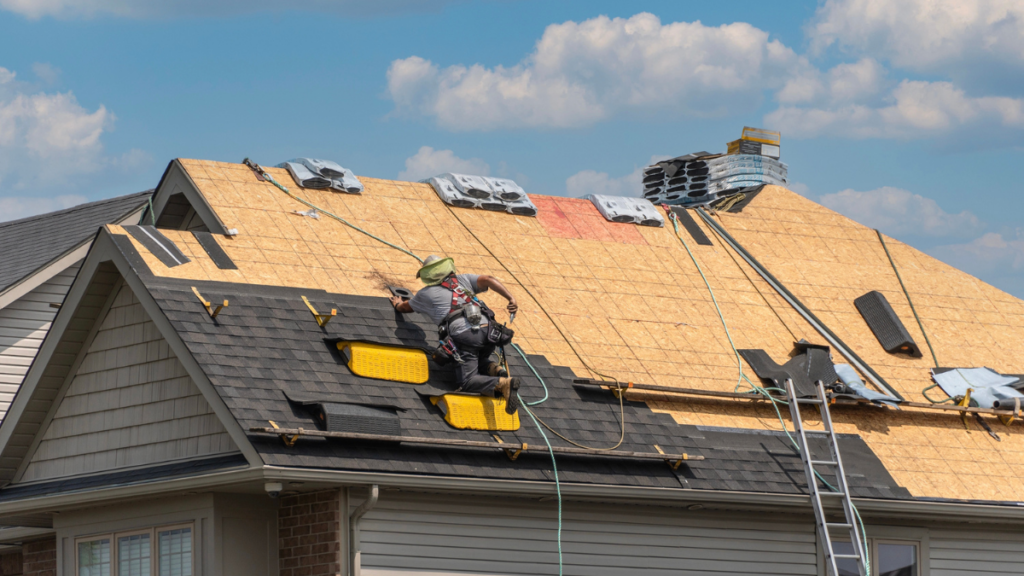
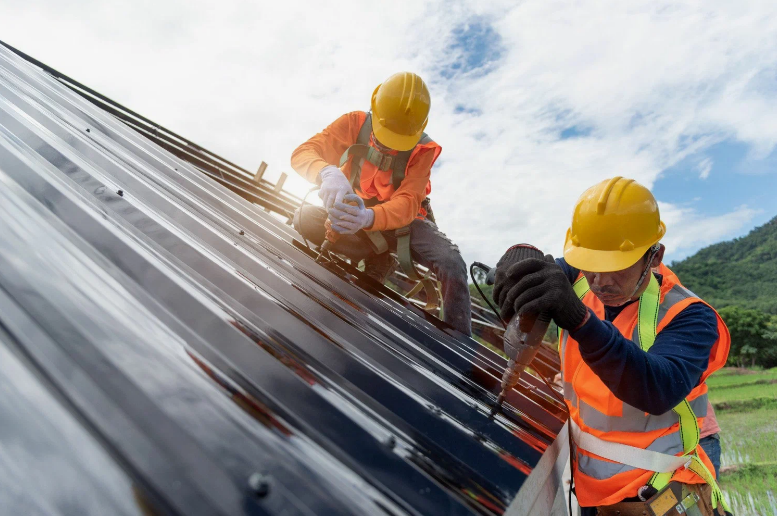
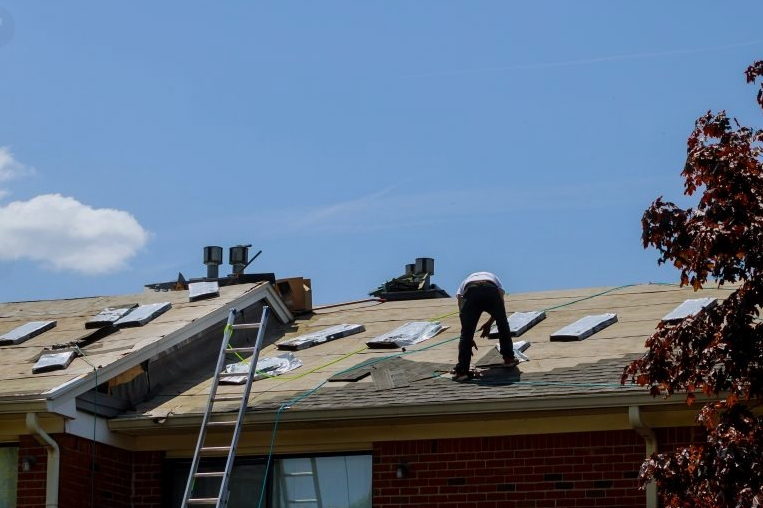
Roof replacement services involve removing an old or damaged roof and installing a new roofing system to ensure long-term protection, energy efficiency, and structural safety. A professional roofing company typically begins with a detailed inspection to assess damage, identify underlying structural issues, and recommend the most suitable replacement solution based on the home’s condition and budget.
This guide explains costs, process, materials, and everything homeowners need to know before replacing a roof in California. It also helps you understand how a reliable roofing company evaluates pricing based on roof size, material type, labor requirements, and local building codes. Since roofing systems play a critical role in protecting your home from weather damage, choosing an experienced and licensed company ensures better durability, safety, and long-term performance.
Roof replacement is one of the most important home improvement projects because it directly impacts safety, insulation, and property value. In California, roofing needs vary due to heat, coastal weather, wildfires, and seasonal rain.
What is Roof Replacement?
Roof replacement is the process of completely removing the existing roof system and installing a new one.
It includes:
- Removing old shingles or roofing material
- Inspecting roof decking for damage
- Repairing structural issues
- Installing underlayment and waterproof layers
- Adding new shingles, tiles, or metal roofing
- Final sealing and inspection
Why Roof Replacement is Important?
Roof replacement is essential when repairs are no longer effective or cost-efficient.
Key reasons include:
- Prevent water leaks and interior damage
- Improve energy efficiency and insulation
- Increase property value
- Protect against storms and heat
- Avoid recurring repair costs
In California, roofs often wear faster due to intense sun exposure, making timely replacement even more important.
Signs You Need a Roof Replacement
Knowing when to replace your roof helps avoid expensive structural damage.
Common signs include:
- Frequent roof leaks
- Missing or broken shingles
- Sagging roof structure
- Mold or moisture in attic
- Rising energy bills
- Roof age over 20–25 years
Roof Replacement Cost Overview
Roof replacement costs vary depending on materials, size, and labor.
Average Cost Range
- Basic roof replacement: $5,000 – $9,000
- Mid-range roof: $9,000 – $15,000
- Premium roofing systems: $15,000 – $30,000+
In California, costs tend to be slightly higher due to labor rates and material standards.
Roof Replacement Cost Per Square Foot
Roofing is often priced per square foot.
| Roofing Type | Cost Per Sq Ft |
|---|---|
| Asphalt Shingles | $4 – $7 |
| Wood Shingles | $7 – $12 |
| Metal Roofing | $8 – $15 |
| Tile Roofing | $10 – $20 |
What is Included in Roof Replacement Services?
A full roof replacement service includes:
- Roof inspection and measurement
- Old roof removal
- Structural repair (if needed)
- Installation of underlayment
- New roofing material installation
- Flashing and sealing
- Cleanup and disposal
Roof Replacement Materials
Different roofing materials affect durability and cost.
Asphalt Shingles
- Most common option
- Affordable and easy to install
- Lifespan: 15–30 years
Metal Roofing
- Highly durable and energy-efficient
- Reflects heat well (ideal for California)
- Lifespan: 40–70 years
Tile Roofing
- Common in warm climates
- Very long-lasting
- Heavy and requires a strong structure
Wood Shakes
- Natural appearance
- Requires more maintenance
- Moderate lifespan
Roof Replacement Process (Step-by-Step)
Understanding the process helps homeowners prepare.
Step 1: Roof Inspection
Contractor evaluates roof condition and damage level.
Step 2: Material Selection
Homeowner selects roofing material based on budget and style.
Step 3: Roof Removal
Old roofing materials are carefully removed.
Step 4: Deck Inspection
The underlying structure is checked for rot or damage.
Step 5: Installation
New roofing layers are installed, including waterproof barriers.
Step 6: Final Cleanup
Debris is removed, and the roof is inspected for quality assurance.
Roof Replacement vs Roof Repair
| Factor | Roof Repair | Roof Replacement |
|---|---|---|
| Cost | Lower | Higher |
| Lifespan | Short-term fix | Long-term solution |
| Coverage | Small area | Entire roof |
| Frequency | Repeated | One-time for decades |
What Affects Roof Replacement Cost?
Several factors influence final pricing:
- Roof size and slope
- Material type
- Labor costs
- Structural damage level
- Permit requirements
- Weather conditions
- Accessibility of the roof
In California, steep roofs or fire-resistant materials may increase costs.
Roof Replacement Timeline
Most roof replacements take:
- Small homes: 1–2 days
- Medium homes: 2–4 days
- Large homes: 4–7 days
Weather conditions can extend the timeline.
Roof Replacement Benefits
Roof replacement provides long-term advantages:
- Better insulation and lower energy bills
- Improved home safety
- Increased resale value
- Better weather protection
- Reduced maintenance needs
Roof Inspection Importance
Regular roof inspection helps identify early problems.
Inspection includes:
- Checking shingles
- Identifying leaks
- Evaluating flashing
- Assessing structural integrity
Roof Maintenance After Replacement
Even new roofs require maintenance.
Tips include:
- Clean gutters regularly
- Remove debris and leaves
- Check for minor damage after storms
- Schedule annual inspections
Roof Replacement for Residential Homes
Residential roof replacement focuses on:
- Safety and comfort
- Energy efficiency
- Aesthetic appeal
- Long-term durability
Most homeowners choose asphalt shingles due to affordability.
Roof Replacement for Commercial Buildings
Commercial roofing systems require:
- Flat or low-slope designs
- Durable materials like TPO or metal
- Large-scale installation planning
- Higher load-bearing capacity
Roof Replacement Financing Options
Many homeowners use financing because roof replacement is a major expense.
Options include:
- Home improvement loans
- Insurance coverage (if damage-related)
- Contractor payment plans
FAQs
What is the average cost of roof replacement?
The average roof replacement cost ranges from $5,000 to $15,000 depending on size, materials, and labor. Premium roofing systems can exceed $20,000 for large homes or high-end materials.
How long does a roof replacement last?
A roof replacement typically lasts 20 to 50 years depending on material type. Asphalt shingles last around 20–30 years, while metal and tile roofs can last over 40 years with proper maintenance.
How do I know if I need roof replacement?
You likely need replacement if your roof has frequent leaks, missing shingles, sagging areas, or is over 20 years old. A professional inspection confirms whether repair or replacement is best.
What is the cheapest roof replacement option?
Asphalt shingles are the most affordable option, costing $4–$7 per square foot. They are widely used due to low cost, easy installation, and decent durability.
How long does roof replacement take?
Most residential roof replacements take 1 to 5 days, depending on roof size, weather conditions, and material type. Complex or large roofs may take up to a week.
Is roof replacement worth it?
Yes, roof replacement is worth it because it improves home safety, increases property value, reduces energy bills, and prevents costly water damage over time.
Conclusion
Roof replacement is one of the most important home improvement decisions for long-term property protection and performance. It ensures your home stays safe from weather damage, moisture issues, and structural deterioration while also improving overall energy efficiency and indoor comfort.
In California, where roofs are exposed to strong sunlight, seasonal rains, and varying climate conditions, choosing the right materials and ensuring proper installation is especially important. A well-planned roof replacement not only extends the lifespan of your home’s structure but also enhances curb appeal and overall property value.