Your roof is one of the most important parts of your home. It protects your family, belongings, and structure from weather, moisture, and long-term damage. When problems appear, residential roof repair becomes essential—not optional. Even small issues can grow into major repairs if ignored.
Understanding roof repair, warning signs, repair options, and when to call professionals helps homeowners make smart decisions and avoid costly replacements.
Why Residential Roof Repair Matters
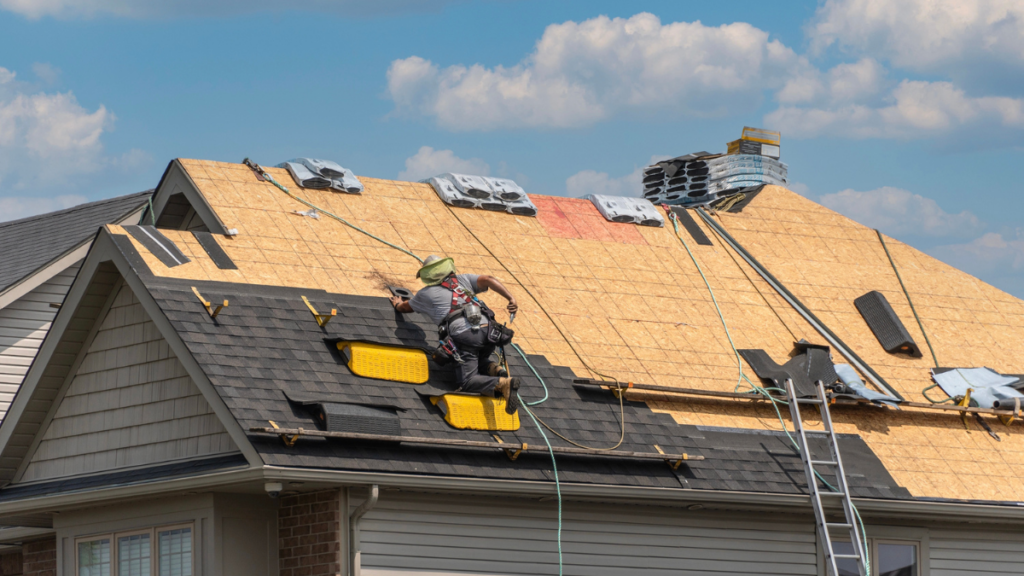
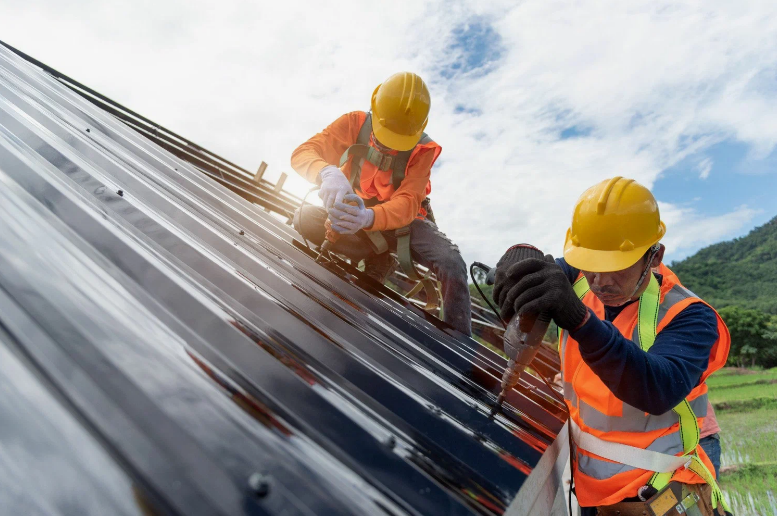
A damaged roof affects more than just your home’s appearance. It can compromise insulation, reduce energy efficiency, and even impact indoor air quality. Leaks allow moisture to seep into the attic and walls, leading to mold growth, wood rot, and structural weakening. Our professional roofing company specializes in identifying and repairing these issues, ensuring your home stays safe, dry, and energy-efficient. With years of experience, our team of roofing professionals provides reliable solutions that protect both your property and your peace of mind.
Timely residential roof repair:
- Prevents water damage inside the home
- Extends the lifespan of your roofing system
- Maintains property value
- Improves energy efficiency
- Reduces emergency repair costs
Addressing problems early is always more affordable than waiting until a full roof replacement is required.
Common Causes of Residential Roof Damage
Residential roofs face constant exposure to environmental stress. Some of the most common causes of roof damage include:
Weather-Related Damage
Storms are a leading cause of roof repairs. High winds can lift or remove shingles, heavy rain exposes weak points, and hail can crack or dent roofing materials. Over time, repeated weather exposure weakens the roof’s protective layers.
Aging Roofing Materials
No roof lasts forever. Asphalt shingles typically last 20–30 years, while metal and tile roofs may last longer. As materials age, they become brittle, lose granules, and are more likely to leak or crack.
Poor Installation
Improper installation often leads to early roof failure. Incorrect flashing, poor ventilation, or uneven shingle placement can cause leaks and reduce durability.
Tree and Debris Damage
Overhanging branches can scrape shingles, drop debris into gutters, or fall during storms. Clogged gutters force water under the roof edge, damaging fascia and decking.
Foot Traffic
Walking on the roof without proper care can crack shingles, loosen materials, and damage protective coatings—especially on older roofs.
Signs Your Home Needs Roof Repair
Knowing what to look for helps you act before damage worsens. Common warning signs include:
- Missing, cracked, or curling shingles
- Water stains on ceilings or walls
- Mold or mildew odors indoors
- Sagging roof sections
- Granules collecting in gutters
- Increased energy bills
- Daylight visible through attic boards
If you notice any of these issues, scheduling a residential roof inspection is the next step.
Types of Residential Roof Repair Services
Roof repair services vary based on damage severity, roof type, and material. Common repair solutions include:
Shingle Repair and Replacement
Damaged shingles are removed and replaced to restore waterproof protection. Matching materials ensures visual consistency and durability.
Leak Detection and Repair
Roof leaks are not always obvious. Professionals trace water paths to locate the source and seal damaged flashing, vents, or seams.
Flashing Repair
Flashing seals areas around chimneys, skylights, and vents. Repairing or replacing damaged flashing prevents water intrusion at vulnerable points.
Roof Vent Repair
Damaged or improperly sealed vents can allow moisture and pests inside. Repairing vents improves attic ventilation and prevents leaks.
Gutter and Drainage Repair
Gutters play a major role in roof performance. Repairing or cleaning gutters prevents water backup and roof edge damage.
Storm Damage Repair
After storms, roofers assess wind, hail, and debris damage and perform necessary repairs to restore protection quickly.
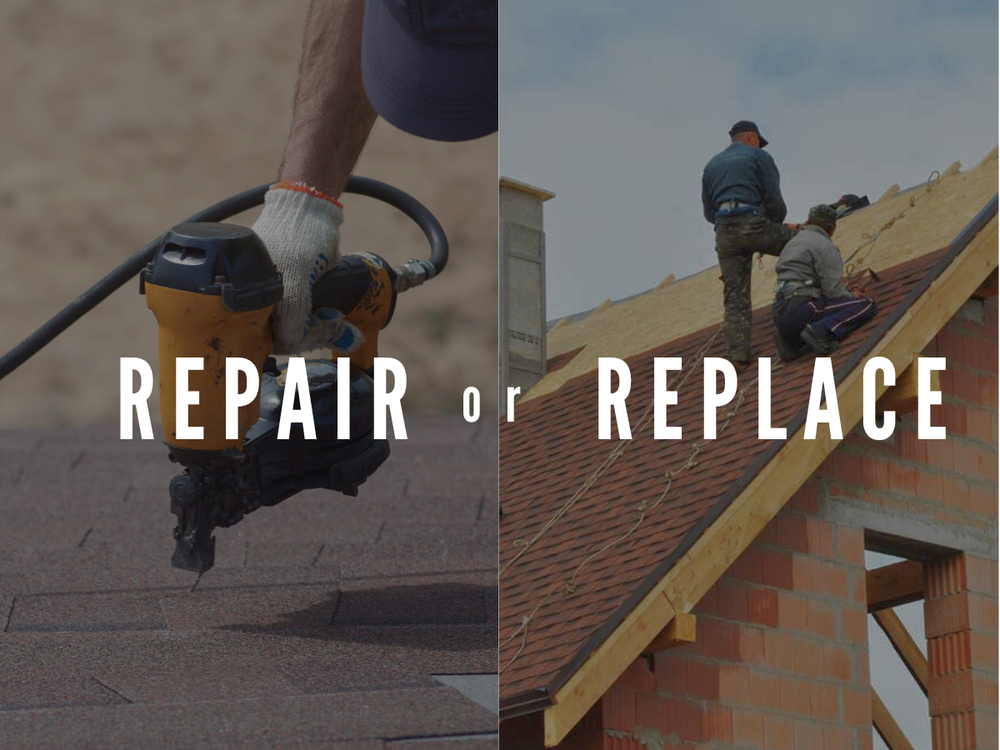
Residential Roof Repair vs. Roof Replacement
Many homeowners wonder whether repair or replacement is the better option. The answer depends on several factors:
When Roof Repair Is the Right Choice
- Damage is localized
- Roof is relatively new
- Leaks are limited and manageable
- Structural components remain intact
When Replacement May Be Necessary
- Roof is near the end of its lifespan
- Widespread damage across multiple sections
- Repeated leaks despite past repairs
- Significant structural deterioration
A professional roofing inspection provides clarity and helps homeowners avoid unnecessary expenses.
The Importance of Professional Roof Inspections
DIY inspections often miss hidden damage. Licensed roofing professionals understand roofing systems, materials, and failure points. A professional inspection includes:
- Surface and structural evaluation
- Attic moisture and ventilation checks
- Flashing and seal assessment
- Gutter and drainage inspection
Regular inspections—especially after storms—help catch problems early and reduce long-term repair costs.
Emergency Residential Roof Repair
Roof emergencies require immediate attention. Active leaks, fallen trees, or storm damage can quickly lead to interior damage. Emergency roof repair services focus on:
- Temporary leak control
- Tarping exposed areas
- Preventing further water intrusion
- Stabilizing damaged sections
Quick action protects your home until permanent repairs are completed.
How Roof Repair Improves Energy Efficiency
A damaged roof allows air to escape and moisture to enter. This forces HVAC systems to work harder, increasing energy bills. Proper roof repair:
- Seals air leaks
- Improves insulation performance
- Maintains consistent indoor temperatures
- Reduces heating and cooling costs
Well-maintained roofs contribute directly to home energy efficiency.
Choosing the Right Residential Roofing Contractor
Not all roofing contractors offer the same quality. Choosing the right professional ensures lasting repairs and peace of mind.
Look for contractors who:
- Are licensed and insured
- Have residential roofing experience
- Provide written estimates
- Use quality materials
- Offer workmanship warranties
- Have positive customer reviews
Avoid contractors who pressure you into unnecessary replacements or demand full payment upfront.
Preventative Roof Maintenance Tips
Preventative maintenance reduces the need for frequent repairs. Homeowners can protect their roofs by:
- Scheduling annual roof inspections
- Cleaning gutters regularly
- Trimming overhanging tree branches
- Addressing small repairs promptly
- Ensuring proper attic ventilation
Simple maintenance steps extend roof life and improve performance.
Cost Factors for Residential Roof Repair
Roof repair costs vary depending on several factors:
- Type of roofing material
- Extent of damage
- Roof pitch and accessibility
- Labor requirements
- Urgency of repair
Minor repairs are generally affordable, while complex structural issues cost more. Getting multiple estimates helps ensure fair pricing.
Long-Term Benefits of Timely Roof Repair
Investing in residential roof repair provides lasting value. Benefits include:
- Extended roof lifespan
- Reduced future repair costs
- Improved curb appeal
- Better home protection
- Increased resale value
A well-maintained roof reflects responsible homeownership and protects your investment.
Conclusion
Residential roof repair is a critical part of maintaining a safe, comfortable, and durable home. Ignoring roof problems leads to higher costs, structural damage, and unnecessary stress. Whether dealing with storm damage, aging materials, or minor leaks, timely professional repair keeps your roof performing as it should.
By recognizing early warning signs, choosing skilled contractors, and committing to regular maintenance, homeowners can protect their roofs and avoid major disruptions. A strong roof isn’t just a feature—it’s your home’s first line of defense.